
Red Tusoco : A Label to Promote Community-Based Solidarity Tourism
Author: Sandro Saravia, National Coordinator of Red Tusoco
Reading time : 5 minutes
Mission:
Red Tusoco is an umbrella organization that brings together and integrates community-based, rural, and Indigenous solidarity tourism initiatives in Bolivia. It provides development support services to its members, represents their interests before the government and other institutions, and actively contributes to the economic development of rural communities throughout the country.
Vision:
Red Tusoco is recognized by public and private stakeholders in the tourism sector, in Bolivia and internationally, as an effective organization for representation and service delivery in support of community-based solidarity tourism. It contributes to the success of tourism initiatives offering products at both national and international levels, while fostering increased economic development within Bolivian rural communities.
The Community-Based Solidarity Tourism Label (TSC) is a technical and specialized certification that recognizes and validates community tourism initiatives operating under a model based on specific principles, values, and technical criteria. These are linked to the solidarity economy, community participation, social equity, environmental respect, and the promotion of local heritage, ensuring that tourism serves as a genuine tool for equitable development.
This label ensures that tourism is not only an economic activity, but also a driver of social transformation. It contributes to organizational strengthening, democratic participation, gender equity, active community involvement, and the enhancement of natural and cultural heritage.
Furthermore, the TSC Label promotes a territorial development approach in which tourism-related decisions and benefits remain within the community. This approach strengthens community identity, autonomy, and their central role in the sustainable management of territories and local economic development.
In summary, initiatives certified under the Community-Based Solidarity Tourism Label go far beyond conventional tourism. They embody a true philosophy that places the community, its culture, its economy, and its environment at the heart of the tourism experience, offering authentic, responsible, and transformative experiences.
The creation of the Community-Based Solidarity Tourism Label (TSC) responds to the need to recognize and validate initiatives that effectively apply the principles of community-based solidarity tourism, particularly those related to organizational, social, and economic sustainability, as well as the promotion of local heritage.
In the face of an increasingly competitive tourism market largely dominated by conventional tourism, the TSC Label emerged as a tool to differentiate and position the community-based model. It highlights its social, cultural, environmental, and economic value. Developed through a participatory process by initiatives that are members of Red Tusoco, the label goes beyond simple certification: it encourages continuous improvement processes, strengthens the management of tourism initiatives, and promotes authentic, ethical, and solidarity-based experiences that generate tangible benefits for communities and territories.
Can You Explain the Main Steps of the TSC Label Certification Process?
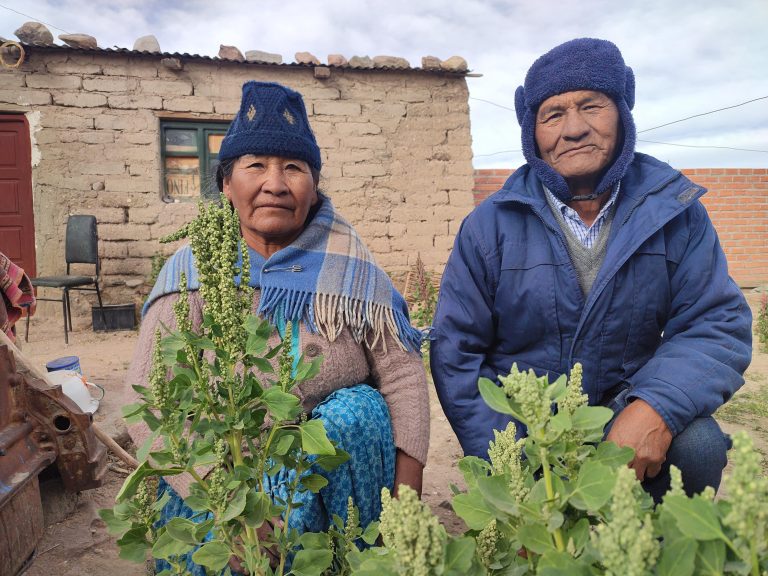
The certification process for the TSC Label follows several progressive steps: it begins with an official request from the tourism initiative to the Red Tusoco, followed by the establishment of an inspection team. A first remote evaluation is then conducted to check the principles and criteria of the seal and to guide the initiative in preparing the necessary documents. The team then visits the site for approximately three days to evaluate the practices on the ground and prepare a detailed report. This report is analyzed by the Certification Committee, which decides whether to award the TSC seal, issue a pre-certification, or provide recommendations for correction. The process concludes with an official recognition at the Red Tusoco Assembly, where the certified initiative receives a plaque certifying its commitment to community-based solidarity tourism and sustainable development.

How Is the Evaluation of Indicators and Criteria Conducted to Ensure a Fair and Rigorous Process?
The evaluation of the indicators and criteria of the TSC Label is based on a standardized process that ensures fairness, transparency, and rigor. Each initiative is assessed in accordance with the guidelines set out in the TSC label certification manual, which defines the criteria, indicators, and their weighting, making it possible to measure compliance with the principles of community-based solidarity tourism.
What were the main challenges encountered during the implementation of the certification process?
The main challenge in establishing the TSC Label certification process was designing criteria and indicators that were simultaneously relevant, measurable, and representative of the very essence of community-based solidarity tourism. This required in-depth work to ensure that each criterion accurately reflected the principles of the model, such as social, economic, and organizational sustainability, as well as the promotion of local heritage, while taking into account the practical realities of community initiatives.
Another major challenge was ensuring that the indicators relied on accessible and available means of verification, in a context where initiatives have varying levels of organization and capacities for producing management-related documentation. It was essential that the indicators did not depend on nonexistent or hard-to-access resources, but rather were practical, verifiable, and adaptable to each initiative’s context, enabling an objective and fair evaluation.
In summary, the central challenge was finding a balance between the technical rigor of certification and the operational and organizational realities of the initiatives, so that the indicators effectively measure compliance with the principles of community-based solidarity tourism without creating barriers that would hinder participation in the process.
It is also worth noting that the creation and operationalization of the Certification Committee represented a significant challenge. It was necessary to inform and convince the committee’s external members while establishing a climate of trust with the initiatives engaged in the process.
How Are Communities and Tourism Initiatives Supported to Reach the 70% Threshold Required for Certification?
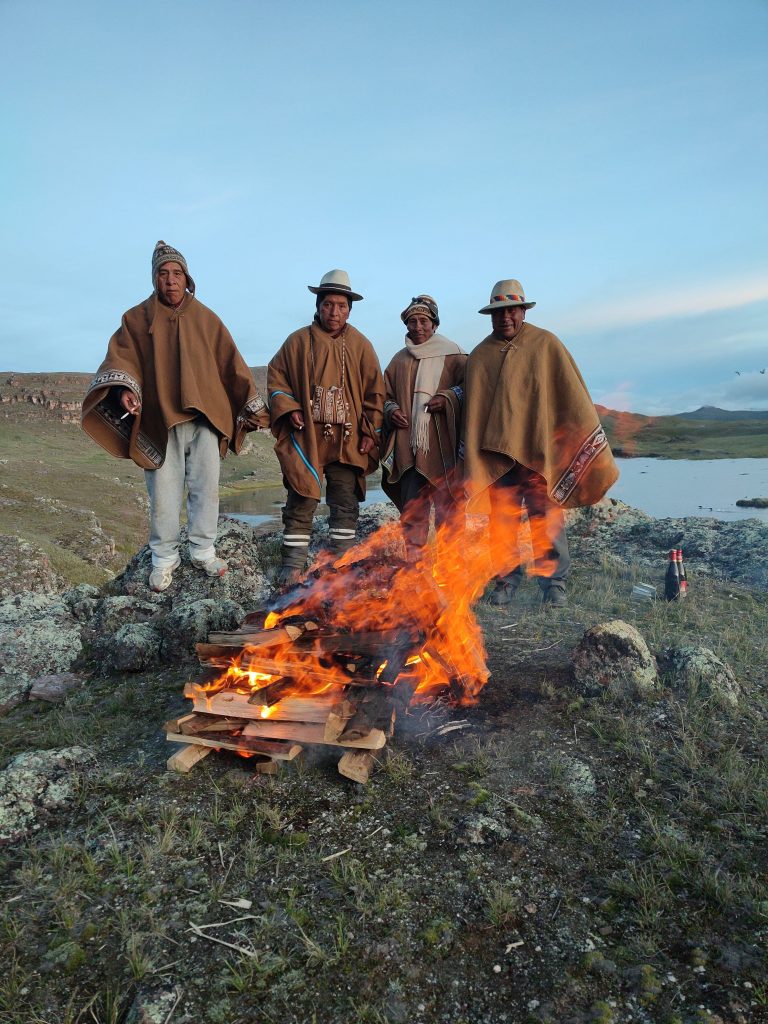
To help tourism initiatives reach the 70% threshold required for TSC Label certification, a comprehensive support process is put in place. This process combines awareness-raising, training, and personalized assistance, aiming to strengthen the internal capacities of initiatives, their integration into the territory, and adherence to the principles of community-based solidarity tourism.
The support begins with awareness-raising and training on best practices in internal management, economic sustainability, relationships with the territory, and the preservation of local heritage. These actions take the form of short presentations and reflection periods integrated into meetings and events, facilitating the adoption of TSC seal criteria by initiative members.
At the same time, the training of certified inspectors from within the initiatives themselves helps gradually spread the principles of the TSC Seal within the communities. Initiatives engaged in the certification process also benefit from ongoing monitoring and technical assistance throughout the process. After the evaluation, they receive detailed recommendations for improving their operations. In some cases, this support may be strengthened by the allocation of mini-grants aimed at supporting improvement work or investments in equipment and infrastructure.
Do You Plan, in the Medium or Long Term, to Update or Adapt the Tsc Seal Criteria to Address New Challenges, Whether Climatic, Social, or Organizational?
Yes, the TSC Label foresees the updating and adaptation of its criteria in the medium and long term to address new climatic, social, or organizational challenges that may arise. At the end of each certification process or cycle, adjustments, improvements, and clarifications are made to the indicators, taking into account both the recommendations of the Certification Committee members and the observed developments, as well as the needs identified within the initiatives.
In this way, the TSC Label remains a specialized certification in constant evolution, ensuring that its criteria remain relevant, measurable, and applicable, without ever losing sight of its essence and purpose: to promote sustainable, inclusive community-based solidarity tourism that respects local heritage.
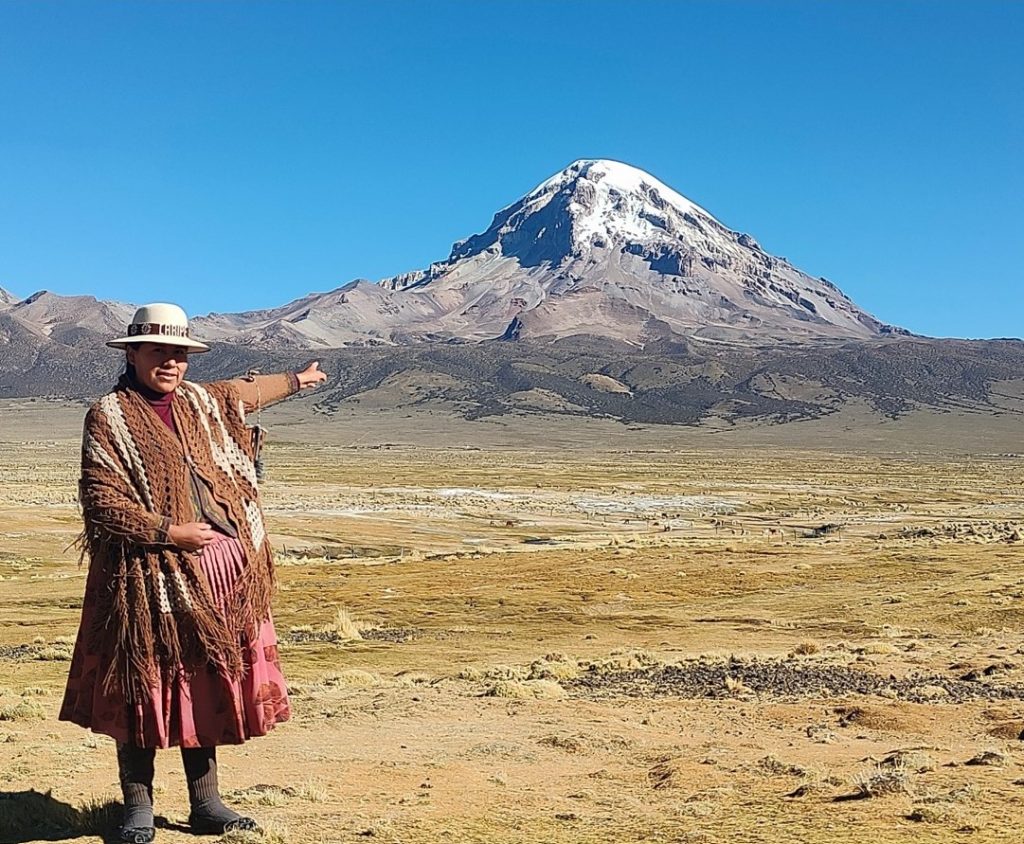
In Your Opinion, How Does the Tsc Seal Differ From Other Existing Sustainable Tourism Certifications in Latin America?
Most existing certifications mainly focus on the quality of tourism services, incorporating certain sustainability criteria. In recent years, other labels have emerged that are more focused on environmental dimensions (“green”) or tourism markets.
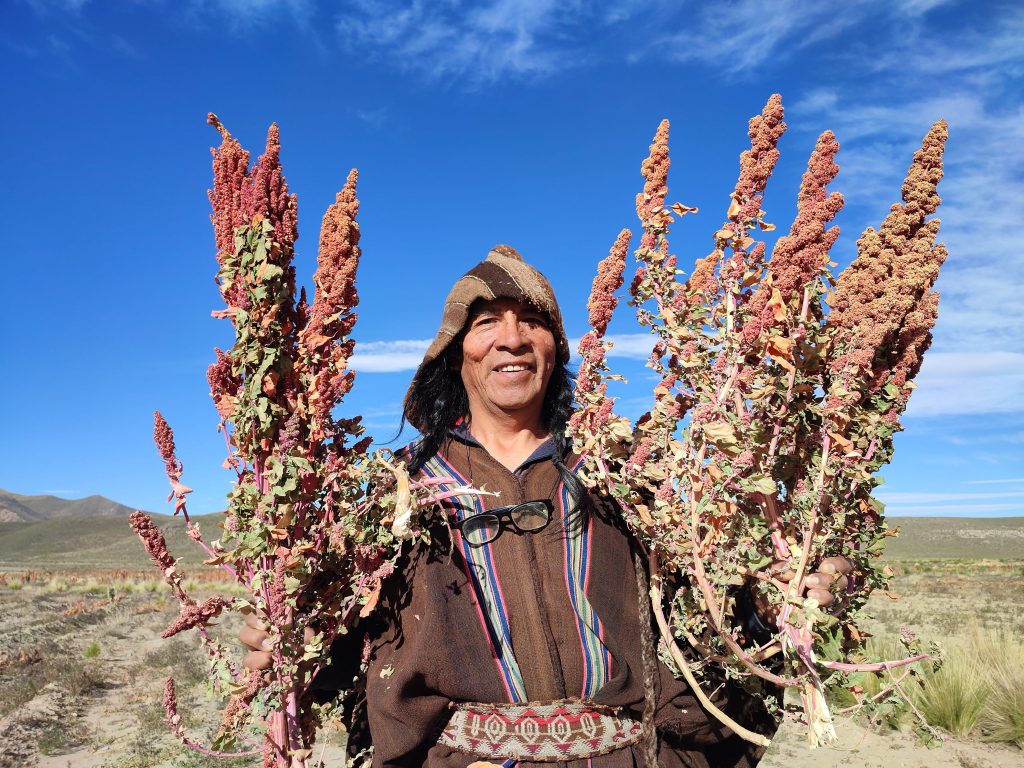
While the TSC seal can indeed serve as an added value in terms of quality, it stands out primarily for its local socio-economic focus. It emphasizes the development of local populations, particularly through the strengthening of human and social capital, based on a community management model, as well as the preservation of natural and cultural heritage. These dimensions are closely tied to the governance of the territories.
The TSC Label thus serves as a genuine tool for authenticating the identity, capabilities, philosophy, and actions of community-based solidarity tourism initiatives. Its process is deliberately simple, adapted to the idiosyncrasies of the communities, and accessible, in order to effectively address their realities and needs.
How Many Initiatives Are Currently Certified, and What Are the Prospects for the Coming Years?
To date, two community-based solidarity tourism initiatives have been certified with the TSC Label: Ecoturismo Comunitario Villa Amboró and Asociación de Servicios Turísticos Manantiales de Sola. Additionally, the initiative Chalalán Albergue Ecológico S.A. is currently in the pre-certification phase. The goal is to certify around ten initiatives, representing a large portion of the Tusoco network members, over the next few years.
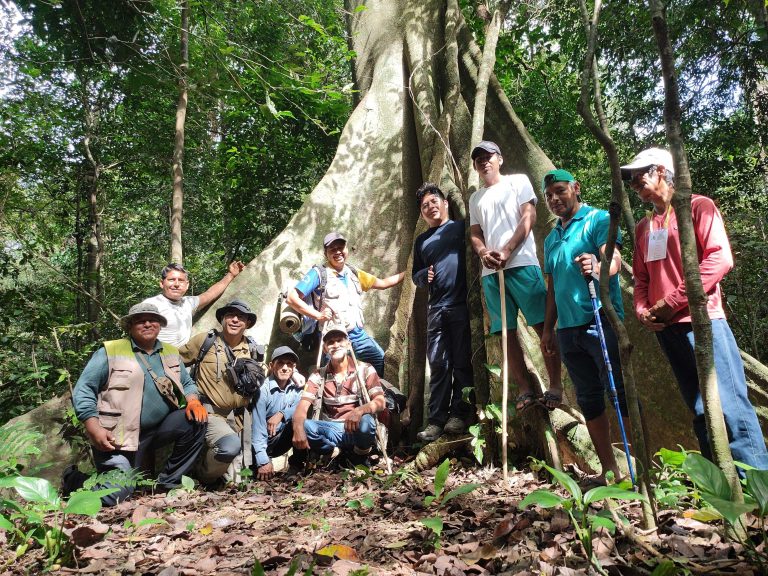
Village Monde is honored to have been invited to take part in the Certification Committee of the Community-Based Solidarity Tourism Label of the Red Tusoco in 2025.
To plan your next stay in Bolivia, we invite you to contact the network’s tourism agency, Tusoco Viajes.
Village Monde is registered as a charitable organization with the Canada Revenue Agency and Revenu Québec and as an organization of general interest with the French government.
Subscribe to the travel newsletter from our collaborative booking platform Vaolo to find out what’s new, follow our explorers and receive tips for more conscious travel.
The use of the masculine gender has been adopted for ease of reading and has no discriminatory intent.
© 2026 All rights reserved. Village Monde.
By continuing to use the site, you agree to our privacy and cookie policy
I accept